 Texas
Texas


Driving your Audi undoubtedly adds a next-level charm to your face until it’s screwed in Atlanta‘s stop-and-go traffic, long highway stretches, sudden rain, and plenty of heat. All of these messes affect your entire car, starting with two significant sections. Guess what? Of course, the tires and the braking components. And sadly, many Audi owners usually follow a trend of waiting until something feels wrong, or worse, or unless they see a dashboard warning light pop up. But to be honest, tire rotation and brake inspections are two crucial parts of routine maintenance that should be performed on time to prevent more extensive repairs and unsafe on-road situations. So, this blog exactly explains what your Audi really needs and when.
How Often Should Your Audi Tires Be Rotated?
Typically, your Audi tires should be rotated once they covered 5,000 to 7,500 miles. But Atlanta traffic doesn’t really step back from putting extra stress on your car, especially on the front tires. This usually occurs due to frequent braking and tight turns. So, if you care to rotate the tires even earlier than the above time frame, the benefits you get are:
- Tires wear evenly.
- Their grip and handling improve.
- Their durability expands.
We once came across an Audi A6 owner who skipped tire rotations for over a year. You won’t believe it, but yes, his car’s front tires were bald while the rear still looked fine.
Why Your Audi Quattro Requires Proper Tire Rotation
Many Audis use the Quattro All Wheel Drive system, which makes tire care even more critical. And that’s because:
- Uneven tires strain the drivetrain.
- They can cause abnormal vibration and pulling.
- They may trigger dashboard warning lights.
At our auto shop, we have seen many Quattro systems develop unnecessary issues simply because the tires were not rotated evenly.
How Atlanta’s Rough Road Surfaces Can Affect Your Audi’s Tire Wear?
Rough or dusty terrain, potholes, and summer heat significantly wear down your Audi’s sophisticated tires. But how?
- Excessive heat raises tire pressure.
- Road damage causes wheel alignment issues.
- Stop-and-go traffic increases wear and tear.
These local conditions pose a threat to Audi owners, so they should remain consistent by following the factory schedule.
When Should Your Audi Brakes Be Checked?
Our professionals typically recommend inspecting the entire brake system at least once every 10,000 miles, or sooner if you notice any changes. Wanna know what type of changes?
- Hearing loud and weird squeaking or grinding sounds.
- Sensing abnormal vibration, especially when stopping.
- Having a longer stopping distance than before.
One customer came to our garage, believing the noise was normal. After we checked, we found that the brake pads were completely worn down, which was already starting to affect the rotors.
Why Your Audi’s Brake Wear isn’t Always Even?
Front brakes usually wear faster, but not always. This is because driving habits matter. How?
- City driving wears out the front brakes faster.
- Highway driving balances wear.
We have observed the rear brakes failing first on Audis, which are driven primarily in heavy-traffic areas of Atlanta.
Why Waiting for a Warning Light in Your Audi Is Risky?
Audis are generally engineered to display brake warning lights late in the wear cycle. And at that point:
- Pads may already be thin.
- Rotors could be at risk.
- Repair costs have increased.
A local Audi Q5 owner ignored a slight vibration during braking. By the time she brought it to us, we had diagnosed the rotors as warped, which was causing the steering shake on the highway. If she had approached us a bit earlier, her Q5 might not have gone through so much stress, and she might have saved both time and money.
How Tire Rotation Helps to Maintain the Brake System in your Audi?
Tires and brakes usually work together in sync―and that’s something hard to believe but true. How are they related?
- Even tire wear improves braking.
- It reduces pulling when you stop your Audi.
- It keeps the entire suspension system balanced.
Most significantly, we have seen people who often skip tire rotations usually come in with brake complaints that aren’t actually brake problems.
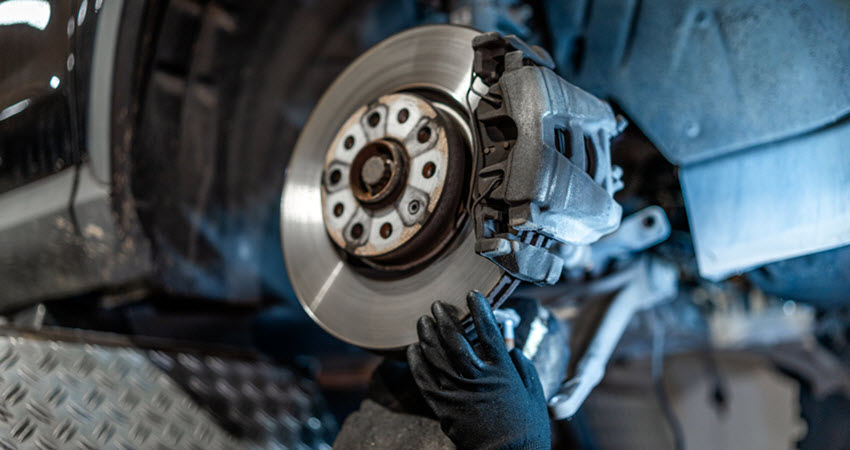
How can We Help Your Audi with Tire Rotation and Brake System Inspections?
At our European Service Center based in Atlanta, GA, Audi care should be transparent and honest. Plus, these tire rotations and brake checks are something more than routine services because your on-road safety relies on these components. Therefore, if your Audi feels different, sounds different, or it has been a while since the last check, now is the right time. Book an appointment with us for an expertly performed tire rotation and brake inspection.